A gate lock meets a harsher reality than the lock on your front door. It faces wind-driven rain, humid mornings, dusty hands, wet umbrellas, delivery arrivals, and the repeated rush of family members coming home. A weatherproof smart gate lock is designed to bring keyless convenience to that exposed entry point without asking you to compromise on dependable security.
For Singapore homes, weather resistance is not a bonus feature. It is part of whether a smart gate setup will remain reliable through daily use. The right lock should fit your gate, suit the level of exposure at your entrance, and give every household member a practical way to enter.
Why a Weatherproof Smart Gate Lock Matters
Your gate is often the first physical barrier between your home and the outside world. A traditional padlock or mechanical gate lock can secure it, but it also creates familiar inconveniences: keys get misplaced, duplicate keys circulate without your knowledge, and someone may need to come downstairs to let in a trusted visitor.
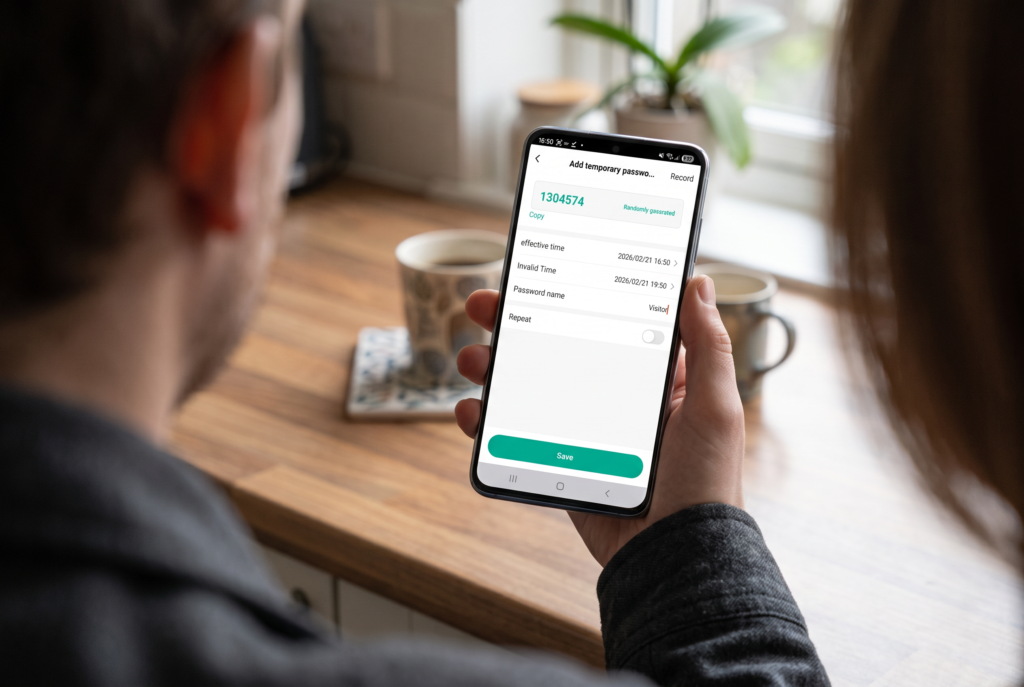
A smart gate lock changes that routine. Depending on the model, family members may enter with a fingerprint, PIN code, access card, mobile app, or mechanical backup key. You can also give a temporary code to a helper, contractor, or guest instead of handing over a physical key that may never be returned.
The outdoor environment is what makes gate selection different from choosing a lock for an interior bedroom door. Rainwater can enter poorly protected openings. Humidity can affect electronics and metal components over time. Direct sunlight may make a dark gate surface hot to touch, while a gate near a driveway can collect more dust and grime. A device intended for a sheltered main door may not be the right choice for an exposed gate.
Start With Your Gate and Its Exposure
Before comparing fingerprint readers or app features, look closely at the gate itself. Material, frame depth, handle position, swing direction, and existing lock cutouts all affect what can be installed safely and neatly.
A metal swing gate, for example, may require a different mounting approach from a timber gate or a gate with narrow bars. The lock body must sit securely, while the latch or bolt needs accurate alignment with the frame. If the gate sags, shifts, or does not close cleanly, even an advanced lock can struggle. Addressing hinge alignment first protects the performance of the new system.
Then assess exposure. A gate inside a covered corridor has a very different weather profile from one at a landed property facing open rain. Ask whether water can strike the keypad or fingerprint sensor directly, whether the lock is close to sprinklers, and whether the gate receives intense afternoon sun. An outdoor-rated model with a suitable IP rating offers greater confidence against dust and water ingress, but the rating should be considered alongside the actual installation location.
An IP rating does not mean every lock can be submerged, pressure-washed, or left without shelter in all conditions. It indicates a tested level of protection. Professional advice is especially useful when a gate is highly exposed, because correct positioning, sealing, and installation details matter as much as the device specification.
Choose Access Methods for Real Household Routines
The best smart gate lock is one your household will actually enjoy using. A large family may prefer multiple access options because not everyone has the same needs. Fingerprint entry is quick for adults and older children who come and go often. PIN access is useful when hands are damp, a fingerprint is temporarily difficult to read, or a visitor needs entry at a set time.
Mobile app control adds another level of oversight. It can help a homeowner manage authorized access without gathering every physical key back from relatives, tenants, or service providers. For gated properties, this is valuable when access needs change frequently. Instead of replacing a lock after a key goes missing, you can remove or change the relevant digital credential.
However, app access should complement, not complicate, daily entry. If elderly parents live at home, make sure they have a method that feels natural, such as a PIN, card, or fingerprint. If the gate is used by domestic help or regular service staff, establish clear access permissions and avoid sharing the same code among too many people. Each person should ideally have their own credential so access can be managed responsibly.
Fingerprint Recognition at an Outdoor Gate
Fingerprint access is a premium convenience feature, but outdoor conditions make quality and placement especially important. A responsive sensor should recognize enrolled fingerprints accurately while minimizing false attempts. Keeping the sensor clean helps maintain reliable performance, particularly after rain or when dust builds up around the gate.
It is wise to enroll more than one finger for key household members. A small cut, dry skin, or a wet fingertip can occasionally affect any biometric reader. A secondary method, such as a PIN or card, gives your family a simple alternative without causing unnecessary frustration at the gate.
Look Beyond the App: Security Features That Count
A connected lock should strengthen your control over entry, not simply replace a key with a phone. Look for secure authentication methods, a dependable locking mechanism, and useful alerts that suit how you live.
Auto-lock can be valuable for busy households because it reduces the chance that a gate is left unsecured after someone enters. The setting should be matched to the gate’s closing behavior. If the gate needs to be pulled firmly shut before the latch engages, correcting that mechanical issue comes before relying on automation.
Tamper alerts and incorrect-entry alarms can provide added awareness when someone repeatedly tries the keypad or interferes with the lock. Low-battery warnings matter, too. A smart lock should give ample notice before power runs low, allowing you to replace batteries on your schedule rather than during a late-night arrival.
For homes that want a more complete entrance setup, a video doorbell viewer can work alongside a smart gate lock. Seeing and speaking with a visitor before granting access creates a more informed decision at the boundary of your property. It is particularly useful for deliveries, visitors arriving when children are home, or times when you are away.
Battery Power and Backup Access Are Essential
Most residential smart gate locks run on batteries, which avoids the need for extensive rewiring at the gate. Battery-operated systems can remain practical during a power interruption, but they still need a maintenance routine. Check battery status through the lock or app, use the recommended battery type, and replace all batteries together when needed.
Every household should also understand the backup plan. This may include emergency external power support, a mechanical override key, or another approved entry method. The details vary by model, so do not leave this until the day a battery warning becomes urgent. Keep backup keys in a secure, sensible location that is not inside the gated area.
Avoid treating the emergency option as the normal way to enter. It is there for reassurance. Daily access should remain simple, whether that means fingerprint recognition for family members or PIN-based entry for those who prefer it.
Installation Is Part of Weather Resistance
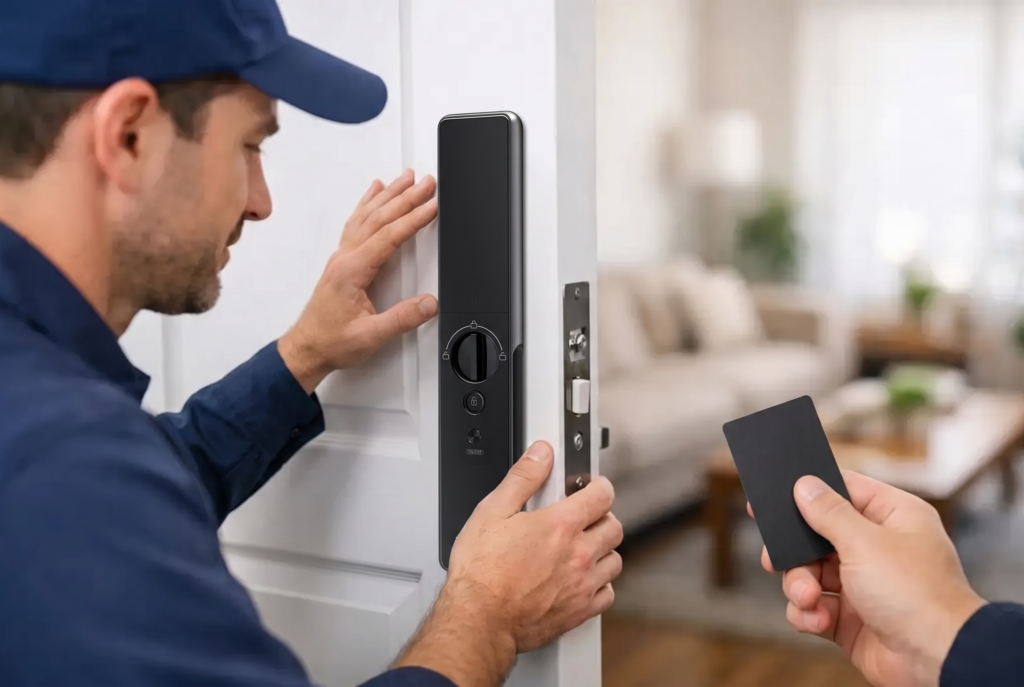
A premium lock can only perform as intended when it is fitted correctly. Gate installations require careful measurements, precise alignment, and an understanding of how the gate moves over time. Drilling in the wrong position can weaken the gate frame, expose raw edges to corrosion, or leave the lock body vulnerable to water.
Professional installation also helps ensure the selected model is appropriate for the gate rather than merely attractive in a product photo. An installer can assess clearance, latch engagement, cable routing where applicable, and whether a protective cover or alternative position is advisable. The result should look clean from both sides of the gate while preserving comfortable, secure operation.
This is where a full-service provider adds practical value. Genesis Singapore can pair smart access hardware with installation, warranty coverage, and local after-sales support, so homeowners have help beyond the initial purchase. That support becomes meaningful when a family needs enrollment assistance, a battery check, or service after years of everyday use.
Care That Keeps Your Gate Lock Looking and Working Well
Weatherproof does not mean maintenance-free. A few simple habits can protect the finish and help the lock continue operating reliably. Wipe the exterior with a soft, lightly damp cloth and avoid harsh cleaners that may damage the surface or sensor area. Clear leaves, dust, and debris from around the latch and strike plate so the gate closes without resistance.
After periods of heavy rain, inspect the lock visually for standing water, loose fittings, or signs that the gate is no longer aligned. If the fingerprint sensor feels less responsive, clean it gently according to the product guidance before attempting repeated enrollments or resets. Repeated forced closing is also a warning sign. The gate or strike plate may need adjustment rather than the lock needing replacement.
A well-chosen outdoor smart lock should feel like a natural part of coming home: your gate closes securely, your family enters without searching for keys, and you retain clear control over who can access your property. Select for your gate’s real conditions, not just a feature list, and the upgrade will continue to earn its place at your entrance every day.