A smart lock should make arriving home feel simpler, not turn your front door into a renovation project. When comparing deadbolt versus mortise smart locks, the right choice usually comes down to one practical question: are you upgrading the lock your door already has, or creating a more integrated entry system from the inside out?
Both styles can deliver keyless entry, fingerprint recognition, PIN codes, app control, and activity alerts. The difference is in the lock body, the way it fits your door, and the experience you want every day. For homeowners choosing a premium smart-security upgrade, understanding that distinction before installation can prevent costly changes later.
Deadbolt Versus Mortise Smart Locks: The Core Difference
A deadbolt smart lock uses a bolt that extends from the door into the frame when locked. It is commonly installed above a separate door handle or lever. Many homes already have this setup: a deadbolt at the top and a handle below it. Smart deadbolt models are designed to replace or work with that existing deadbolt configuration.
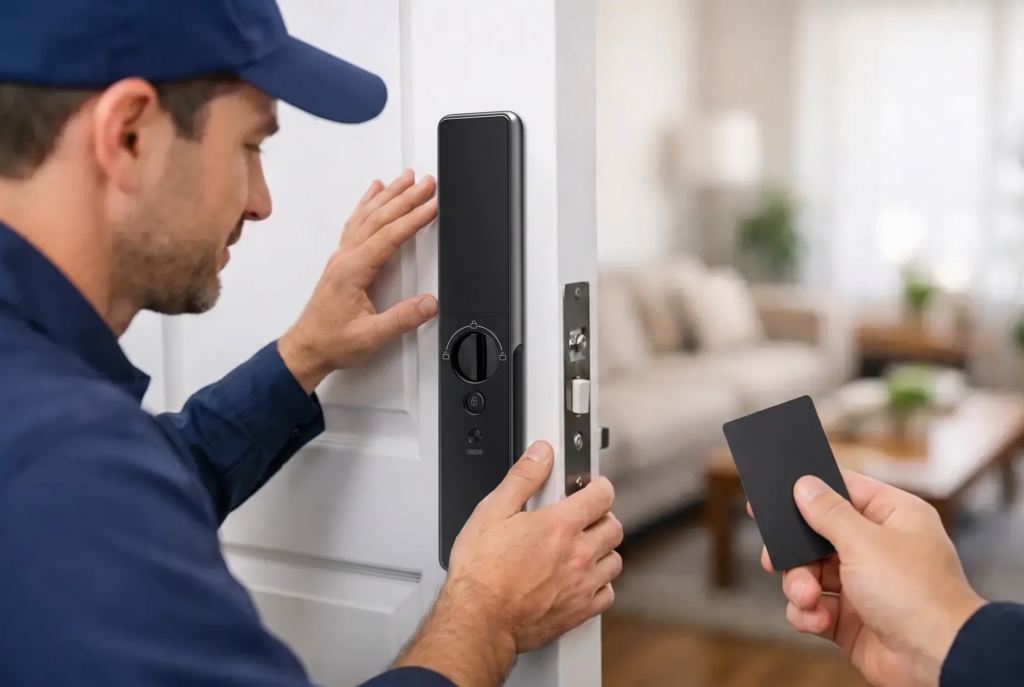
A mortise smart lock is built around a larger lock case recessed into a pocket, or mortise, inside the door edge. Rather than treating the handle and lock as separate components, it typically combines multiple functions into one coordinated system. Depending on the model, that can include a latch, deadbolt, handle, thumb turn, and smart access panel.
That construction affects everything from the visual finish of your door to installation requirements. A deadbolt is often the straightforward choice for a compatible existing door. A mortise lock is often the more complete choice when you want an integrated handle-and-lock design with a more substantial hardware presence.
Choose a Deadbolt Smart Lock for a Focused Upgrade
Deadbolt smart locks are ideal when your door already has a standard deadbolt and you want to add connected access without changing the entire handle set. The exterior can remain clean and familiar, while the lock brings modern control to a proven door format.
This option works particularly well for homeowners who want fingerprint entry or mobile access while retaining their current lever or pull handle. You may be able to keep the hardware you like, match an existing finish, and limit changes to the door itself.
Where deadbolt locks shine
The main appeal is targeted convenience. A compatible deadbolt smart lock can replace the lock that does the primary securing, allowing you to issue temporary PIN codes, check lock status in an app, or let a family member enter with a fingerprint rather than a physical key.
Deadbolt locks also suit doors with decorative exterior handles or large pull bars. Because the smart component sits separately from the handle, you have more freedom to preserve the door’s existing design. For apartments, condos, and homes where a simple lock replacement is preferred, this can be a smart route.
There are trade-offs. A separate deadbolt and handle can look less unified than a full mortise smart lock. You also need to confirm that the deadbolt backset, door thickness, borehole size, and interior clearance match the model. A feature-rich lock is only as dependable as its fit and alignment.
Choose a Mortise Smart Lock for an Integrated Entry System
Mortise smart locks are designed for homeowners who want the door handle, latching mechanism, and secure locking functions to work as one system. They create a more intentional, modern look, especially on main entry doors where the lock is visible every day.
Because the internal case is larger and more complex, a mortise setup can support a broader range of mechanical functions within the same hardware assembly. Many models pair this design with advanced access methods such as fingerprint readers, passcodes, RFID cards, mobile-app control, and in some cases face recognition.
Why mortise locks feel more complete
The benefit of a mortise lock is not simply that it has more parts. It is that the lock, handle, and latch are engineered to operate together. When correctly selected and professionally fitted, the result is a more cohesive entry experience: authenticate, press or pull the handle, enter, and let the system secure the door behind you.
This format is especially suited to homeowners planning a larger door upgrade, replacing old lever hardware, or building a more polished smart-home entry. It can also be a strong choice for households that want multiple ways to enter without juggling keys, including children returning from school, older relatives, cleaners, or visiting guests.
The consideration is installation. A mortise lock requires a door prepared for its specific lock body. Replacing one mortise lock with another may be relatively direct if dimensions align, but converting a standard deadbolt door to mortise hardware often involves cutting, drilling, and careful reinforcement. Professional assessment is the sensible first step.
Security Depends on Fit, Door Condition, and Daily Habits
It is tempting to treat mortise as automatically more secure because it is larger, or deadbolt as automatically stronger because it uses a dedicated bolt. Real-world security is more nuanced.
A quality deadbolt smart lock installed on a solid, well-aligned door with a properly secured strike plate can provide excellent residential protection. A quality mortise smart lock can offer similarly strong performance while integrating the latch and handle into a single unit. In either case, weak hinges, a damaged frame, poor alignment, or an improperly sized installation can undermine the system.
Look beyond the access method. A fingerprint sensor is convenient, but the lock should also offer reliable fallback entry such as a PIN code, mechanical key override where appropriate, RFID credential, or emergency power connection. Consider automatic locking, tamper alerts, low-battery notifications, and audit records if you want greater visibility over household access.
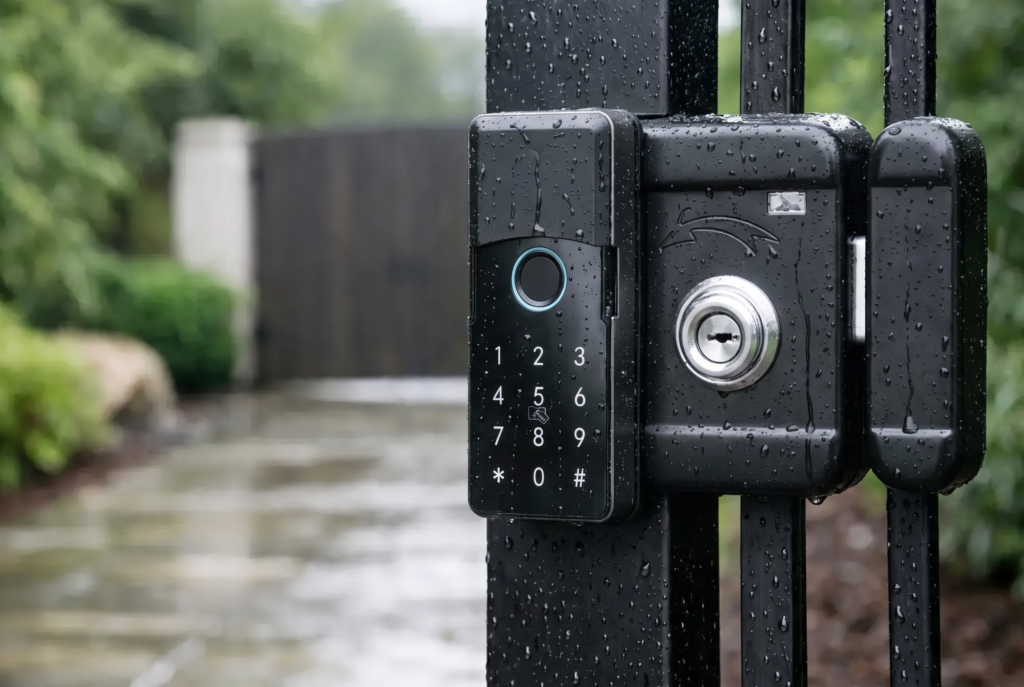
For doors exposed to rain, heat, or humidity, weather resistance matters as much as the lock type. An outdoor-facing entry or gate requires hardware rated for its environment and installed with attention to water exposure. Indoor-rated smart locks should not be assumed suitable for a fully exposed exterior location.
Installation Is the Decision Point Most Buyers Miss
Before choosing between smart deadbolt and mortise lock formats, measure the door and inspect the existing hardware. Door thickness, backset, lock-body dimensions, handle spacing, edge cutouts, handedness, and frame alignment all influence what will fit.
A deadbolt upgrade is not always plug-and-play. Some doors have unusual boreholes, narrow stiles, metal reinforcement, or limited interior space near the frame. Likewise, a mortise lock is not automatically difficult if the door already has a compatible mortise pocket. The right answer comes from the door in front of you, not a product photo.
Professional installation adds value here. An installer can verify fitment, ensure the bolt or latch enters the strike cleanly, test automatic-lock behavior, set up user credentials, and explain battery replacement and emergency access. That level of setup matters when the device protects the entrance your family uses every day.
Smart Features to Prioritize in Either Lock Type
Once you have selected the right physical format, choose features based on how your household actually enters the home. Fingerprint recognition is fast for regular users. PIN codes are useful for guests and service providers. App access gives you remote control and notifications, while temporary codes help landlords and property managers manage changing access without collecting keys.
For a busy family, auto-lock is often one of the most valuable features. It helps remove the recurring question of whether the door was locked after the morning rush. For a front entrance, pairing a smart lock with a video door viewer or doorbell can add useful context before you grant access remotely.
Avoid paying for features you will not use. If everyone prefers fingerprints and you rarely need remote entry, prioritize sensor performance, battery life, and a durable finish. If you manage a rental or frequently receive deliveries and contractors, app-based permissions and access history may matter more.
Which Smart Lock Is Right for Your Door?
Choose a smart deadbolt when you want a focused upgrade, your existing deadbolt layout is compatible, and you prefer to keep your current handle or exterior door design. It is a practical way to add keyless control without rebuilding the whole entry.
Choose a mortise smart lock when you want an all-in-one handle and lock solution, are replacing a mortise setup, or want a more integrated premium finish at your main door. It is often the better fit for a complete entry transformation, provided the door can accommodate the lock body.
Genesis Singapore helps homeowners match smart-lock technology to the actual door, not just the feature list. A proper assessment and professional installation turn a connected lock into something more valuable: a dependable part of your home’s daily routine. Start with the door you have, choose the access methods your household will genuinely use, and let the final setup make coming home feel effortless.