A spare key under the mat is not a family access plan. Neither is waiting outside because someone forgot their keys, or changing a lock after a contractor finishes a job. Keypad locks replace those small, recurring frustrations with a controlled way to enter your home: a personal code at the door, without a physical key changing hands.
For homeowners, that convenience only matters when it is paired with real security. The right lock should suit your door, support the people who use it, and give you confidence that access remains in your control. Whether you are upgrading a front door, apartment entry, side gate, or rental property, the details behind the keypad make a meaningful difference.
What Keypad Locks Change at Home
A keypad lock lets authorized users enter with a numeric passcode rather than a traditional key. Most models allow several codes, so each household member can have a personal credential. Depending on the lock, you may also be able to create temporary codes for guests, cleaners, dog walkers, or service professionals.
That is the practical advantage: access can follow your household routine rather than the limits of a single physical key. A child can return from school without carrying a key. A visiting family member can receive a code for the weekend. A landlord can remove a previous tenant’s access without collecting every copied key.
For many homes, a keypad is strongest as part of a broader smart-entry setup. Fingerprint recognition offers quick everyday access, while a mobile app can provide remote management and activity records. A video doorbell viewer adds visibility at the entrance before you grant access. Not every home needs every feature, but combining the right functions creates a more considered security experience.
Choosing Keypad Locks That Fit Your Door and Routine
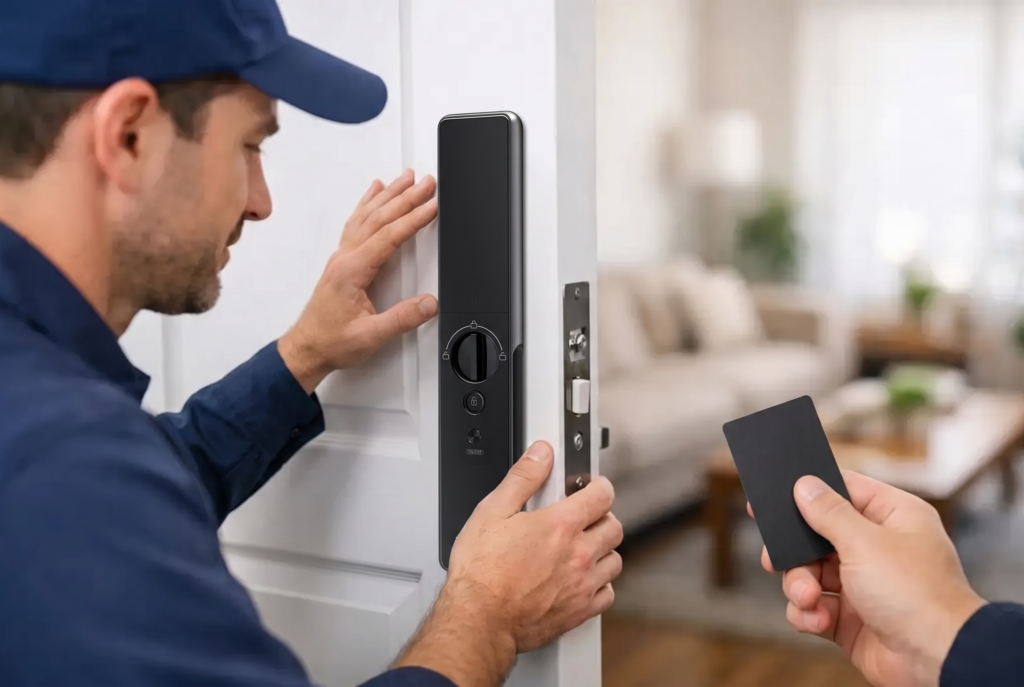
The most impressive feature list cannot compensate for a lock that does not fit your door. Before selecting a model, confirm your door material, thickness, backset, handle position, and existing lock preparation. A mortise lock, deadbolt replacement, rim lock, lever lock, and gate lock each serve different physical setups.
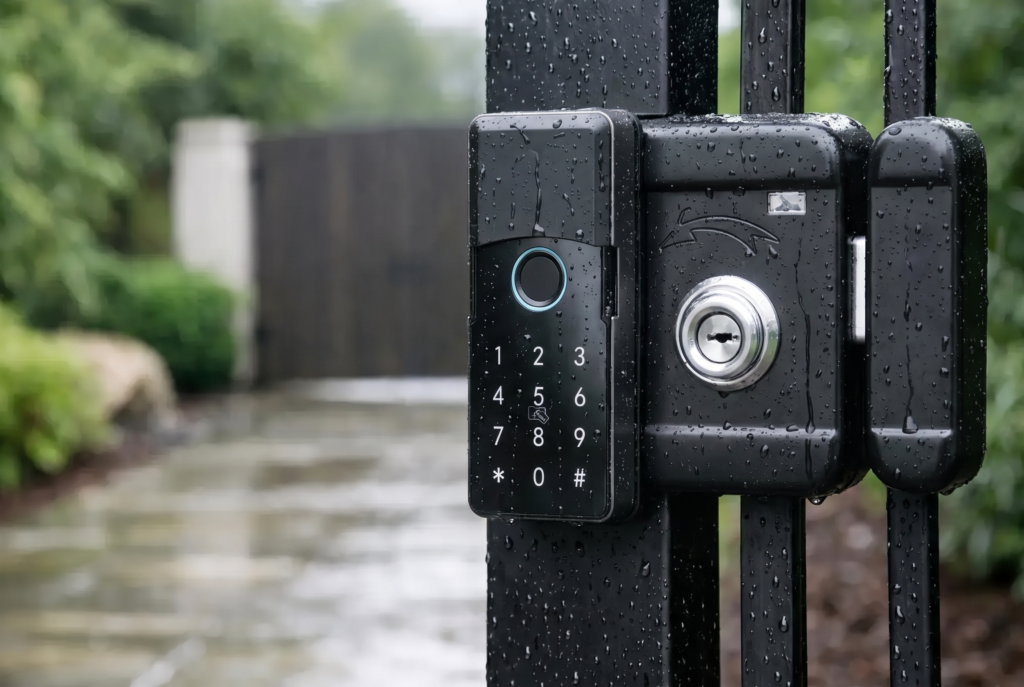
Apartments and condos commonly use a main timber door where a smart mortise or lever lock can provide an integrated look. Homes with metal gates may need a weather-resistant smart gate lock built for more exposed conditions. Landed properties may benefit from separate access management at the gate and main door, particularly when deliveries, domestic help, or regular service providers are part of the household routine.
Professional installation is not an optional finishing touch. Correct alignment affects how reliably the bolt engages, how smoothly the handle operates, and how long the lock performs as intended. An experienced installer can also identify issues such as a sagging door, an unsuitable strike plate, or a gate frame that needs adjustment before the new lock is fitted.
Consider Who Needs Access
A lock should make access easier for the people who live in the home, not force them to memorize a complicated new routine. For a family, assign individual codes instead of sharing one household code. This makes it simpler to update access when a code is forgotten or no longer needed.
Temporary access is equally valuable, but it should be managed thoughtfully. A time-limited PIN can be appropriate for a guest staying over a weekend or a recurring service appointment. For someone who needs ongoing entry, such as a caregiver, a dedicated code is more practical. The goal is not to create dozens of active codes. It is to know who can enter and remove access promptly when circumstances change.
Decide How Connected You Want It to Be
Some keypad locks work independently, storing codes directly on the lock. They are a sensible choice for homeowners who want keyless entry with minimal setup. Other models connect through Bluetooth, Wi-Fi, or a compatible hub, allowing access management from a mobile app.
Connected controls can be especially useful when you are away from home. You may be able to add or delete codes remotely, check entry activity, or receive alerts related to the lock. However, app control should support good security habits, not replace them. Use a strong app password, keep your phone protected, and update software when the manufacturer provides security improvements.
Wi-Fi features also involve a trade-off. They offer broader remote access, but they depend on a stable home network and thoughtful account security. If your priority is simple, dependable code entry at the door, an offline keypad lock may be enough. If you regularly coordinate access while traveling or managing a property remotely, connected management may be worth the added capability.
Features That Matter Beyond the Keypad
The keypad is the visible part of the lock, but several less obvious features shape daily reliability and protection. Look for an auto-lock setting that secures the door after entry. This can be useful for busy households, though it should be configured around your habits so it does not lock while someone is still bringing in groceries or stepping out briefly.
A privacy mode can prevent code entry from the outside while someone is home, depending on the model and local safety needs. A wrong-code attempt alarm can deter repeated guessing. Many locks also include an emergency power option, allowing temporary external power if the batteries are depleted.
Battery operation deserves attention. Smart keypad locks generally alert you well before batteries run out, but those warnings should not be ignored. Make battery checks part of your home maintenance routine, particularly before holidays or extended travel. Choose quality batteries recommended by the manufacturer, and keep the emergency entry method familiar to the adults in the household.
For exposed locations, durability matters as much as digital features. A gate lock may need an appropriate weather-resistance rating, corrosion-resistant construction, and a design suited to outdoor temperature and moisture changes. A lock built for an indoor apartment door is not automatically suitable for an exterior gate.
A Better Access Plan for Families and Property Owners
Installing a keypad lock is also an opportunity to improve household access habits. Start by giving each regular user a unique code. Avoid obvious choices such as birthdays, house numbers, or repeated digits. Change temporary codes after they are no longer required, and do not write active codes where visitors can easily find them.
If you manage a rental home or small portfolio of properties, code-based access reduces the administrative burden of key collection and rekeying. Still, use separate codes for tenants, maintenance providers, and property staff. Review active access after a move-out, a staffing change, or any situation where entry permissions have changed.
For families with young children or older relatives, convenience should not come at the expense of clarity. Make sure everyone knows how to enter, lock the door securely, and respond if the lock signals low battery. A biometric option can be helpful for everyday use, while the keypad remains a dependable backup for users whose fingerprints are not consistently recognized.
When a Keypad Lock Is Not Enough
A keypad lock strengthens access control, but it is one part of home security. The door itself, frame, hinges, strike plate, and surrounding entryway should all be in good condition. A premium lock fitted to a weak or misaligned door cannot deliver its full value.
Consider the visibility around your entrance as well. Good exterior lighting, a camera or video doorbell viewer, and clear sightlines can make a front door or gate feel more secure. For households that receive frequent deliveries or visitors, two-way audio and video monitoring can help you decide who is at the entrance before any access is granted.
The right choice depends on how your household actually moves through the day. A simple standalone keypad may be ideal for a quiet apartment. A connected biometric lock may better suit a busy family. A weather-ready gate lock may be essential for a landed property. Choose the system that gives you practical control at the moments it matters, then have it professionally fitted so every return home feels easy, secure, and familiar.