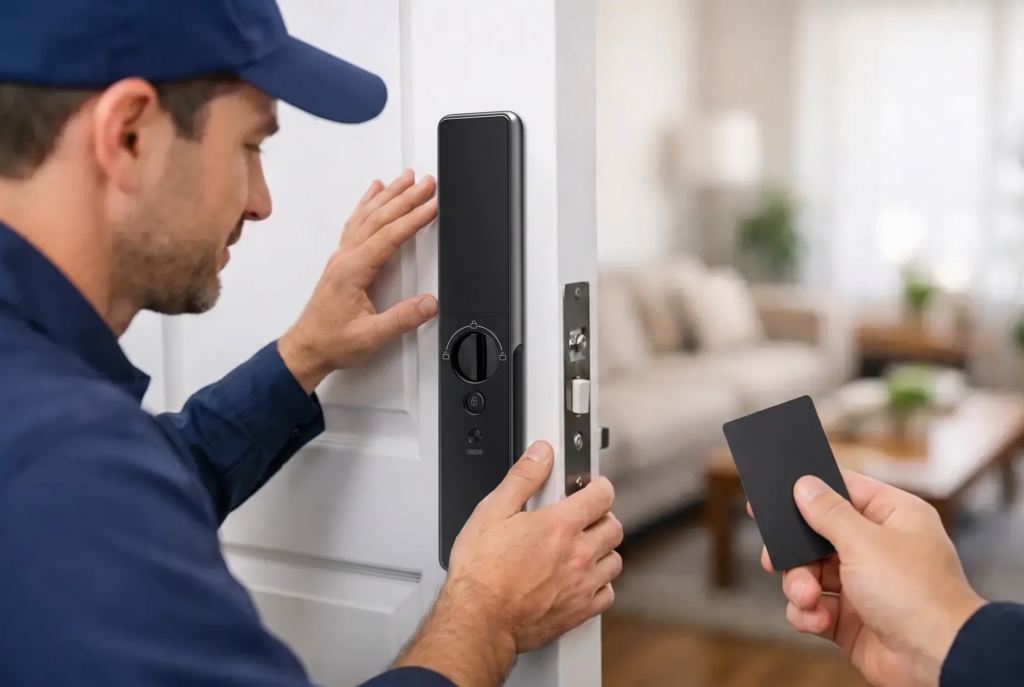
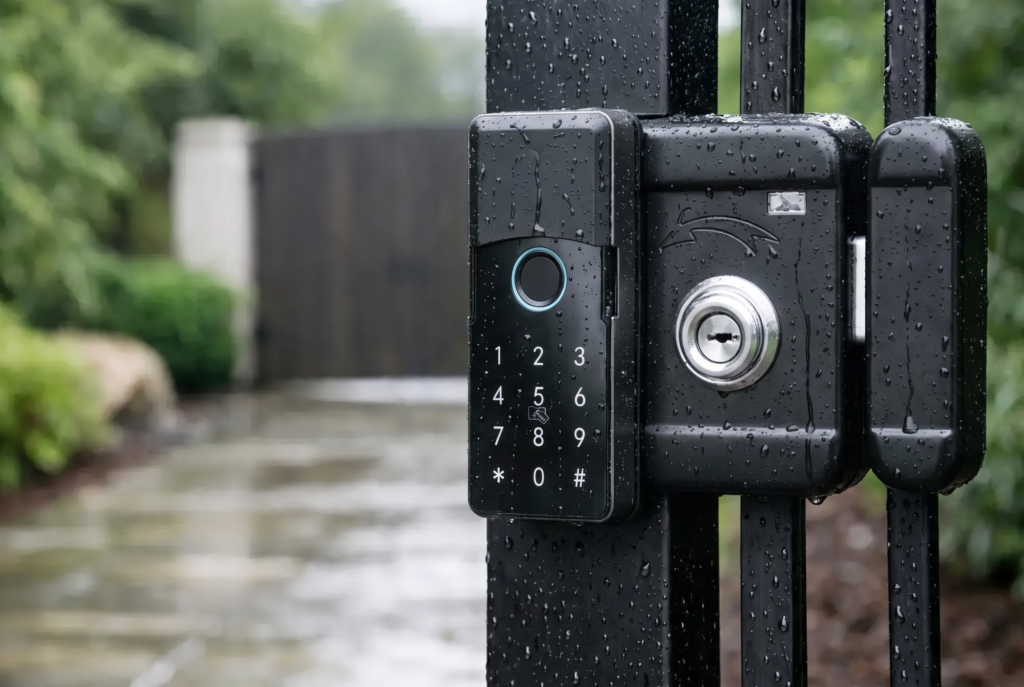
A smart lock should make arriving home easier, not leave your household wondering what happens if batteries run flat, an app is unavailable, or electronics need servicing. Knowing how to add emergency mechanical override gives owners a dependable physical backup while preserving the convenience of fingerprint, PIN, card, or mobile access.
For most residential smart locks, an emergency mechanical override means a properly secured physical key cylinder or approved mechanical release that can operate the lock during a power or electronics issue. It is not a universal add-on, and it should never involve drilling, forcing, or altering a lock in a way that weakens its security or voids its warranty. The right solution depends on the lock type, door construction, and whether the property uses a deadbolt, mortise lock, lever lock, or gate lock.
What an emergency mechanical override does
An emergency mechanical override provides an independent way to unlock a door when the primary electronic entry method is unavailable. In many quality smart locks, this feature is built into the product from the start. A concealed or protected keyway may sit beneath a cover on the exterior panel, allowing the authorized owner to use a mechanical key when necessary.
That distinction matters. A USB emergency power port, for example, can temporarily power a lock with an external battery pack. It is a useful backup, but it is not a mechanical override. A mechanical key cylinder works without the smart lock’s battery, Wi-Fi connection, app, fingerprint reader, or keypad.
For families, this backup can offer real peace of mind. A physical key may be needed after a prolonged vacancy, during an unexpected battery failure, or while a lock is being diagnosed by a technician. It can also be useful for a trusted property manager or family member who needs carefully controlled emergency access.
Start with the lock and door, not the key
The most secure way to add an override is to select a smart lock designed to support one. Retrofitting a cylinder into an electronic lock that was not engineered for it is rarely a good idea. Smart locks use specific internal lock bodies, clutches, tailpieces, spindle lengths, and mounting points. An incompatible cylinder may prevent the lock from engaging correctly, damage internal components, or create a point of attack at the door.
First, identify the hardware already installed. A standard deadbolt, a tubular latch, and a mortise lock are very different systems. Mortise doors commonly use a larger lock case installed within the door edge, while many deadbolts use a cylindrical body through the door face. Gate locks add another variable: exposure to rain, heat, dust, and alignment movement at the gate frame.
Also check whether the door has a multipoint locking system, a decorative handle set, a narrow stile, glass panels, or fire-rated requirements. These details affect whether a smart lock with mechanical key backup can fit safely. For apartment doors, building management rules may also limit changes to common-area-facing hardware.
How to add emergency mechanical override safely
The practical answer is usually one of two paths: install a smart lock with a built-in mechanical key cylinder, or pair compatible approved hardware with an existing lock system. The first option is generally simpler and more secure because the manufacturer has already designed, tested, and warranted the emergency access method.
Begin by reviewing the lock’s product documentation. Look specifically for terms such as “mechanical key,” “emergency key,” “key cylinder,” or “physical key override.” Confirm that the lock supports your door thickness, handing, backset, and existing lock preparation. If the documentation does not clearly identify an approved mechanical override, do not assume one can be added.
For a lock that accepts a compatible cylinder, professional installation is the best next step. The installer can verify the cylinder length, cam or tailpiece style, lock body compatibility, and exterior trim alignment. Small measurement errors can produce a key that turns without retracting the bolt, a bolt that binds against the strike plate, or a lock that does not fully secure when the door closes.
During installation, the technician should test the mechanical key with the door open first, then with the door closed. The key should operate the bolt smoothly without excessive force. They should also test electronic entry methods, auto-lock behavior, door-position sensing if fitted, and the inside emergency thumbturn or handle. A mechanical backup is only dependable when the entire lock system is aligned correctly.
Compatibility checks before installation
Before committing to a cylinder or replacement lock, verify these four areas with a qualified installer or manufacturer support team:
- The lock model is designed for a mechanical key cylinder or approved override accessory.
- The cylinder profile, length, tailpiece, and cam match the smart lock’s internal mechanism.
- The door thickness, boreholes, backset, and mortise preparation support the selected hardware.
- The strike plate and door frame are aligned so the bolt can extend and retract freely.
This assessment is especially valuable on older doors. A modern biometric lock can offer excellent convenience, but an aging door frame or loose strike plate can compromise both electronic and mechanical performance.
Do not treat the override key like an everyday key
The purpose of a mechanical override is resilience, not a return to casual key sharing. If every household member carries the emergency key daily, it can quickly become the least controlled way into the home. A lost key cannot be deleted remotely in the way a PIN, fingerprint, or digital passcode can.
Keep the number of override keys low and record who has them. Store one in a secure location that is accessible when needed but not obvious to an intruder. Avoid hiding it under a doormat, planter, mailbox, or exterior electrical box. If a trusted relative or property manager holds a key, agree in advance on when it may be used.
For higher control, choose a restricted or patented key system where available. These systems can make unauthorized copying more difficult, though no key-control program is perfect. If a key is lost, stolen, or not returned after a tenant or contractor arrangement ends, speak with a locksmith or installer about rekeying or replacing the cylinder promptly.
Plan for the failures a key cannot solve
A mechanical override can open the door, but it does not solve every access problem. If the deadbolt is physically jammed, the door has swollen from moisture, or the frame is badly misaligned, a key may not turn smoothly. If a smart mortise lock uses multiple bolts or an automated latch mechanism, emergency operation may have product-specific limits.
That is why preventive maintenance still matters. Replace batteries when the lock gives a low-battery warning instead of waiting for a full shutdown. Keep the door and strike plate aligned, especially after renovations, seasonal movement, or changes to hinges. For outdoor gates, select hardware suited to the weather exposure and have the lock checked if the gate begins dragging or closing unevenly.
Electronic backups also deserve attention. Set up more than one authorized administrator in the app where supported, keep recovery details current, and make sure responsible household members know how to use approved emergency power functions. The strongest access plan combines physical backup, battery awareness, and properly managed digital credentials.
When replacement is better than modification
If your current smart lock does not support a mechanical cylinder, replacing it may be safer than trying to modify it. This is particularly true for integrated biometric mortise locks, models with sealed exterior panels, and locks that rely on specialized internal clutch mechanisms. A drilled hole or improvised cylinder can reduce weather resistance, interfere with tamper protection, and leave the lock outside manufacturer specifications.
A replacement can also be an opportunity to improve the overall entry experience. Look for a model that combines the access methods your household uses most – fingerprint recognition for daily convenience, PIN codes for guests, app control for remote management, and a concealed mechanical key for true emergency backup. For gates, prioritize compatible gate hardware and environmental protection alongside access features.
Genesis can help homeowners evaluate door type, lock compatibility, installation requirements, and practical backup options before any hardware is changed. That consultation is valuable because a lock is only as dependable as its fit on the door and the support behind it.
An emergency mechanical override should remain quiet reassurance in the background: tested, securely controlled, and ready for the rare moment your smart entry system needs a physical fallback.