A keyless lock should make the busiest moments at your front door easier, not add one more thing to remember. That is the practical difference homeowners consider in the face recognition versus PIN locks decision: Do you want entry that recognizes you at the door, or a familiar code that works for anyone you authorize?
Both methods can be excellent choices for a modern home. The better option depends on who uses the door, how often access needs to be shared, the layout of your entryway, and what makes your household feel most comfortable. For many families, the strongest answer is not choosing one method exclusively. It is choosing a smart lock that gives you both, plus a dependable backup.
Face Recognition Versus PIN Locks for Daily Entry
Face recognition access uses a camera and biometric technology to verify an enrolled face before releasing the lock. Instead of searching for a key or typing a code, the resident approaches the door, looks toward the lock, and enters hands-free. This can be especially valuable when carrying groceries, holding a child, managing a pet, or returning home with bags after work.
A PIN lock requires the user to enter a numeric code on a keypad or touchscreen. It remains one of the most approachable forms of keyless entry because the experience is immediately familiar. Residents can use a personal code, while guests, cleaners, contractors, and relatives can receive their own temporary or recurring code.
The real distinction is not simply speed. Face recognition prioritizes friction-free access for enrolled household members. PIN access prioritizes flexibility for people who may need entry without biometric enrollment. A well-equipped smart lock can support both methods so the household is never limited to a single way in.
Where Face Recognition Has the Advantage
Face recognition is built around convenience without sacrificing the intentional nature of access control. Unlike a physical key, there is nothing to misplace. Unlike a PIN, there is no sequence to recall or enter while someone is waiting behind you at the door.
For primary residents, the biggest benefit is consistency. A properly installed face-recognition smart lock can identify an authorized user at the threshold and reduce the small delays that occur every day with keys, keycards, and passcodes. Those seconds matter most when your hands are full or conditions are less convenient.
It can also reduce the chance of code exposure. A PIN may be seen by someone standing close by, captured by a camera positioned poorly, or shared more widely than intended. Face recognition does not eliminate the need for careful security habits, but it removes the need to visibly enter a code for routine access.
Modern systems should use liveness detection or anti-spoofing measures designed to distinguish a real person from a photograph or video. This is a critical feature to ask about. Not all face-recognition technologies are equal, and homeowners should choose a lock designed specifically for secure residential entry rather than a basic camera-based device.
Face recognition works best for a household with regular users who value speed and hands-free access. It is particularly appealing at a main door where the same family members enter several times a day.
Consider lighting, placement, and user comfort
The entry environment matters. A lock’s camera needs a clear view of the user, and installation height should suit the adults and children who will use it. Bright backlighting, deeply recessed doors, and unusual approach angles can affect the experience depending on the model.
Some residents also prefer not to use facial biometrics, even if the technology is available. That preference is valid. Smart home security should feel reassuring, not intrusive. Choosing a lock with multiple authentication options lets every household member use the method that suits them.
Why PIN Locks Still Belong in a Smart Home
PIN access has lasted because it solves a different access problem extremely well: granting entry without handing over a key. You can create a code for a visiting parent, a dog walker, a trusted neighbor, or a service professional. Depending on the lock and app features, that code may be set to work only at certain times or expire after a planned visit.
This is useful for homeowners who do not want every authorized visitor enrolled in a biometric system. A temporary PIN is simple to issue and simple to remove. When a contractor completes a project, the code can be deleted rather than leaving uncertainty about whether a copied key remains in circulation.
PIN locks are also intuitive for children who are old enough to enter independently but may not be consistently recognized by a facial system as they grow or change appearance. A child can learn a personal code, while parents can set clear rules around keeping it private.
For rental homes and small property managers, PIN credentials can make turnover easier. Each tenant or approved visitor can receive a separate code, allowing access to be updated without replacing physical keys or rekeying cylinders.
Protecting a PIN from common mistakes
A PIN is only as private as the way it is managed. Avoid obvious patterns such as birthdays, street numbers, or repeated digits. Change codes when household circumstances change, particularly after a tenant, domestic helper, contractor, or frequent visitor no longer needs access.
A touchscreen lock may offer features such as random-number entry, where users tap extra digits before or after the true PIN. This can make it harder for someone nearby to identify the code from the screen. It is also wise to use different codes for different people so access can be withdrawn selectively instead of forcing the entire household to memorize a new number.
Security Is Strongest With Layered Access
When comparing face recognition versus PIN locks, it is tempting to ask which method is more secure in isolation. A more useful question is whether the lock gives your home secure, practical alternatives when real life gets messy.
A face-recognition lock may be ideal for your everyday arrival, while a PIN helps a family member who prefers not to use biometrics. Mobile app access can provide remote control and access records, while a physical key override or emergency power option offers reassurance if batteries run low. Fingerprint access can add another fast credential for household members.
This layered approach avoids a single point of inconvenience. It also creates a better household experience. The person carrying a sleeping child may use face recognition; the teenager may use a PIN; the housekeeper may receive a scheduled code; and the homeowner can review access activity through the app where supported.
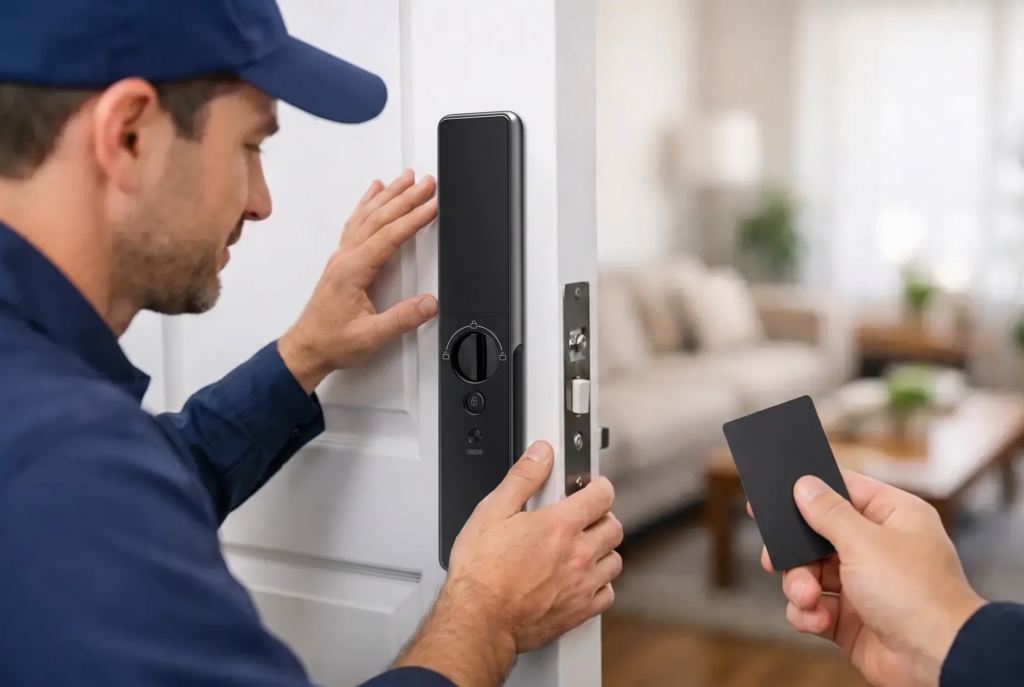
Security also depends on the lock body, door condition, installation quality, and how the system is maintained. Advanced authentication cannot compensate for a poorly fitted lock or a door that does not close properly. Professional installation helps ensure the lock aligns correctly, bolts engage as intended, and users understand how to set up credentials and recovery options.
Choosing the Right Setup for Your Home
Choose face recognition as your primary entry method when hands-free arrival is a priority, the same people use the door regularly, and you want to minimize visible code entry. It is a strong fit for busy families and homeowners who want the front door to respond naturally to their arrival.
Choose PIN access as the primary method when you frequently share entry with guests or service providers, prefer a non-biometric option, or need credentials that can be changed quickly. It is also a practical choice where multiple users come and go on different schedules.
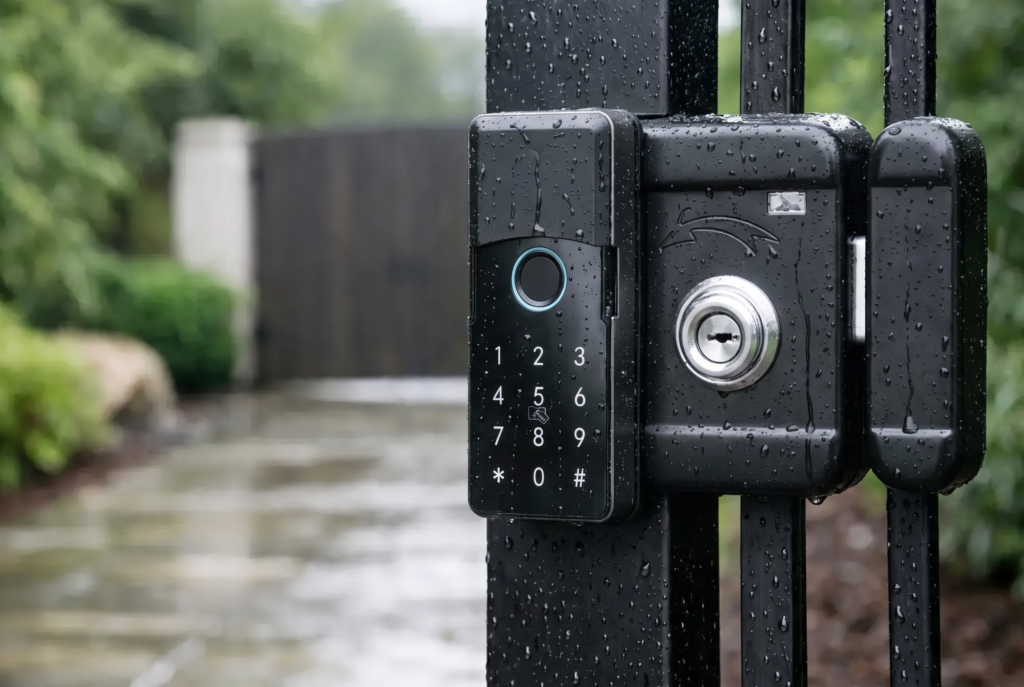
For most households, a combined smart lock offers the most complete solution. Look for a model with secure face recognition, PIN access, a mechanical or emergency backup method, low-battery alerts, and app-based credential management if remote control matters to you. For gates or exposed entrances, also consider whether the hardware is designed for outdoor conditions and the level of weather resistance required.
Genesis Singapore helps homeowners pair these features with professional installation, product guidance, and local after-sales support. That service element matters because a smart lock becomes part of your daily routine, not just another device on the wall.
The best choice is the one that lets every trusted person enter confidently while keeping control firmly with the homeowner. A face-recognition and PIN-enabled lock gives your household room to choose the right method each time the door closes behind you.